






Home / Sunday-mid-day / / Article /
What Godel, Shiva, and quantum physics teach us about AI’s blind spots
Updated On: 08 June, 2025 07:53 AM IST | Mumbai | Nishant Sahdev
AI can be a powerful aid to help us explore new frontiers, as long as we maintain the wisdom to know where machines must give way to human understanding

Listen to this article :
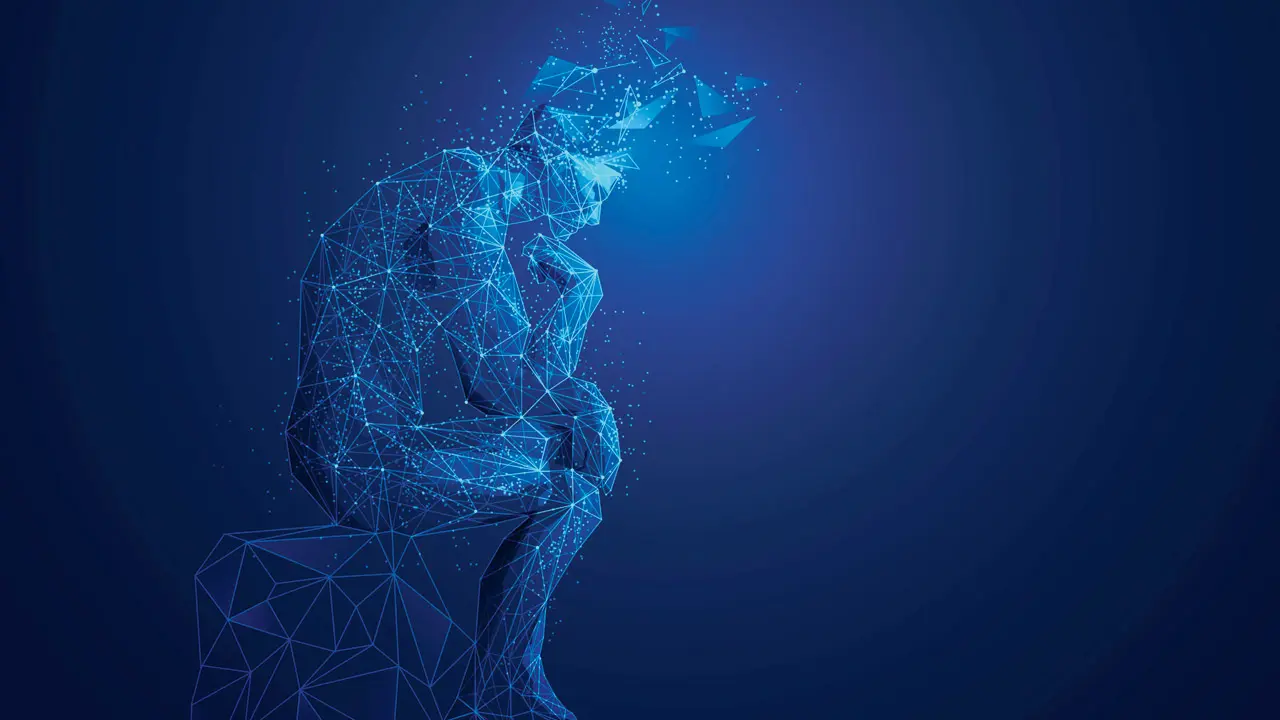
Emotions, creativity, ethics, and consciousness do not follow fixed algorithms. Representational pic/iStock
Artificial Intelligence is everywhere — in our phones, homes, even hospitals. It can write poems, compose music, recognise faces, and drive cars. AI is often described as a revolution that will change every aspect of our lives. And while there’s good reason to be happy, there’s an important question that’s too often overlooked: Are there things AI can never do? Are there limits built into intelligence itself, no matter how advanced our machines become?
To find some answers, we don’t need to look just at computer science. Instead, I invite you to journey with me through three very different yet surprisingly connected ideas — from mathematics, philosophy, and physics — that reveal AI’s fundamental blind spots.
First, we have Kurt Godel, a 20th-century logician whose work shook the foundations of mathematics. Then, there is Shiva, the cosmic dancer of Indian mythology, whose dance symbolises the rhythms of creation and destruction in the universe. Finally, we turn to quantum physics, the science that has revealed how reality behaves in strange and unexpected ways at the smallest scales.
Read Next Story
Trending Stories
Latest Photos
Latest Videos
Latest Web Stories
ADVERTISEMENT
Mid-Day Fast
ADVERTISEMENT

ADVERTISEMENT